Grass Gulps & Garden Grazing: What Your Dog’s Plant-Eating Habit Reveals About Gut Irritation, Sensory Foraging, and Emotional Self-Regulation
Many dog owners have watched their pup suddenly stop on a walk to munch on grass or nibble leaves in the yard. While this behavior can look odd, it is often a meaningful clue about your dog’s body, mind, and daily routine. Plant-eating in dogs may point to mild gut irritation, natural sensory exploration, or an attempt to self-soothe during moments of excitement or stress. Understanding the reason behind the habit can help you support better digestion, safer enrichment, and calmer behavior.
Why dogs eat grass and plants


Dogs explore the world with their mouths, so grass-eating is not always a sign of illness. In many cases, it is a normal canine behavior. Common reasons include:
- Gut discomfort: Some dogs chew grass when they feel mild nausea, bloating, or stomach irritation.
- Sensory foraging: Dogs enjoy different textures, scents, and tastes, especially outdoors.
- Boredom relief: A dog with limited enrichment may graze simply for stimulation.
- Learned habit: If plant-chewing becomes part of walks or yard time, it can turn into a routine.
Occasional grazing is usually harmless, but frequent or frantic eating deserves closer attention.
When plant-eating may signal gut irritation

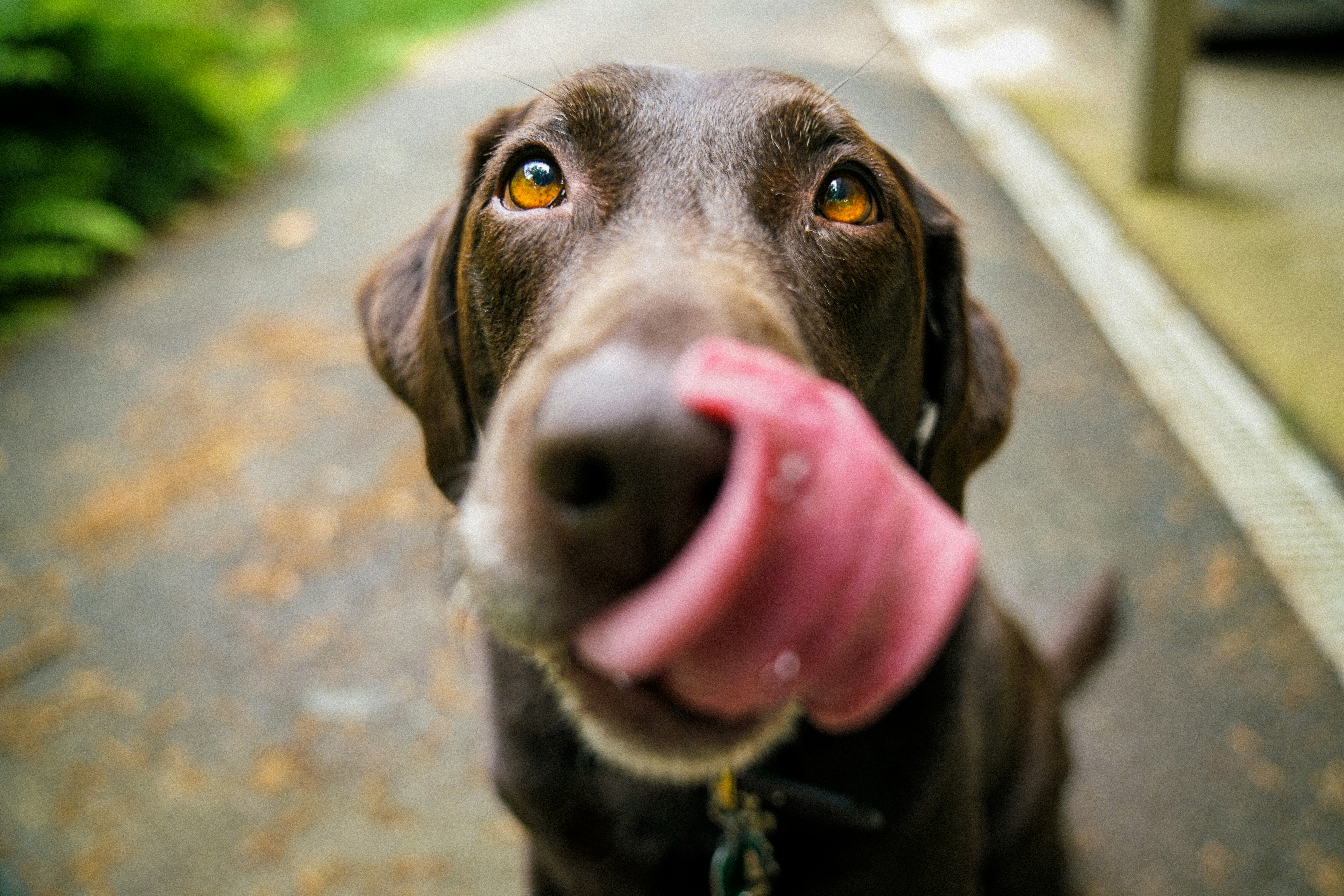
If your dog eats grass and then vomits, has loose stools, lip-licking, gulping, or reduced appetite, the behavior may be linked to digestive upset. Sudden diet changes, rich treats, scavenging, or food sensitivities can all irritate the stomach.
Signs to monitor at home
- Repeated vomiting after grazing
- Diarrhea or constipation
- Excessive burping or swallowing
- Low energy or reluctance to eat regular meals
Call your veterinarian if symptoms are persistent, severe, or paired with lethargy. Also prevent access to treated lawns, toxic plants, and garden chemicals, which can make grazing dangerous.
Sensory foraging and emotional self-regulation


Not every dog that eats plants has a stomach problem. Some dogs use chewing and sniffing as a way to regulate arousal. After a stimulating event, such as seeing another dog, hearing loud noise, or finishing play, grazing may help them slow down.
This can be part of healthy sensory foraging. Dogs often benefit from safe opportunities to:
- Sniff new environments
- Chew appropriate items
- Explore different natural surfaces
- Settle themselves after excitement
If your dog seems calm, responsive, and otherwise healthy, plant-nibbling may be more about behavior than illness.
How to manage the habit safely


The best approach is to reduce risk while meeting your dog’s physical and emotional needs. Try these practical steps:
- Feed a consistent, high-quality diet and avoid sudden food changes.
- Use structured walks with sniff breaks and training games.
- Offer safe chew options and enrichment at home.
- Interrupt frantic grazing with a cue like “leave it,” then redirect to a reward.
- Watch for patterns, such as eating plants after meals, during stress, or on long walks.
Training should stay calm and positive. Punishment may increase stress and make the behavior harder to change.
Support better health with movement and monitoring


Physical activity plays a major role in digestive comfort, emotional balance, and behavior regulation. Dogs that get appropriate daily exercise are often better able to settle, explore appropriately, and maintain healthy routines. To help monitor your dog’s activity and wellness, Queva Pets offers a smart tracking solution that supports informed care.
- Activity tracking (walk, run, light, intense)
- GPS tracking
- Health score insights
Learn more through the Queva Pets smart dog tracking subscription.