Paw Pauses & Bowl Bypasses: What Your Dog’s Mealtime Hesitation Reveals About Dental Pain, Digestive Unease, and Emotional Feeding Confidence
If your dog approaches the bowl, sniffs dinner, then walks away, that pause can mean more than picky eating. Mealtime hesitation in dogs often points to an underlying issue involving oral discomfort, stomach upset, feeding routine changes, or learned anxiety around food. For pet parents at Queva Pets, understanding these signals early can support better dog health, behavior, and daily care.
When a Dog Hesitates at the Bowl


A healthy appetite is often a helpful window into your dog’s well-being. When eating habits change, pay attention to patterns such as:
- Sniffing food but refusing to eat
- Eating very slowly or dropping kibble
- Chewing on one side of the mouth
- Walking away and returning later
- Showing interest in treats but not meals
These behaviors can reveal discomfort, stress, or confusion in the feeding environment. Tracking when the hesitation happens helps you describe symptoms clearly to your veterinarian.
Dental Pain Can Make Meals Hard Work


Dental pain is a common reason dogs avoid food. Inflamed gums, cracked teeth, tartar buildup, or oral infections can make chewing painful, especially with dry kibble. Signs of dental trouble may include bad breath, drooling, pawing at the mouth, or preferring softer foods.
What to watch for
- Yelping when chewing
- Food falling from the mouth
- Bleeding gums
- Sudden preference for wet food
If you notice these signs, schedule a veterinary dental exam. Early treatment can improve comfort and restore normal eating behavior.
Digestive Unease May Reduce Appetite

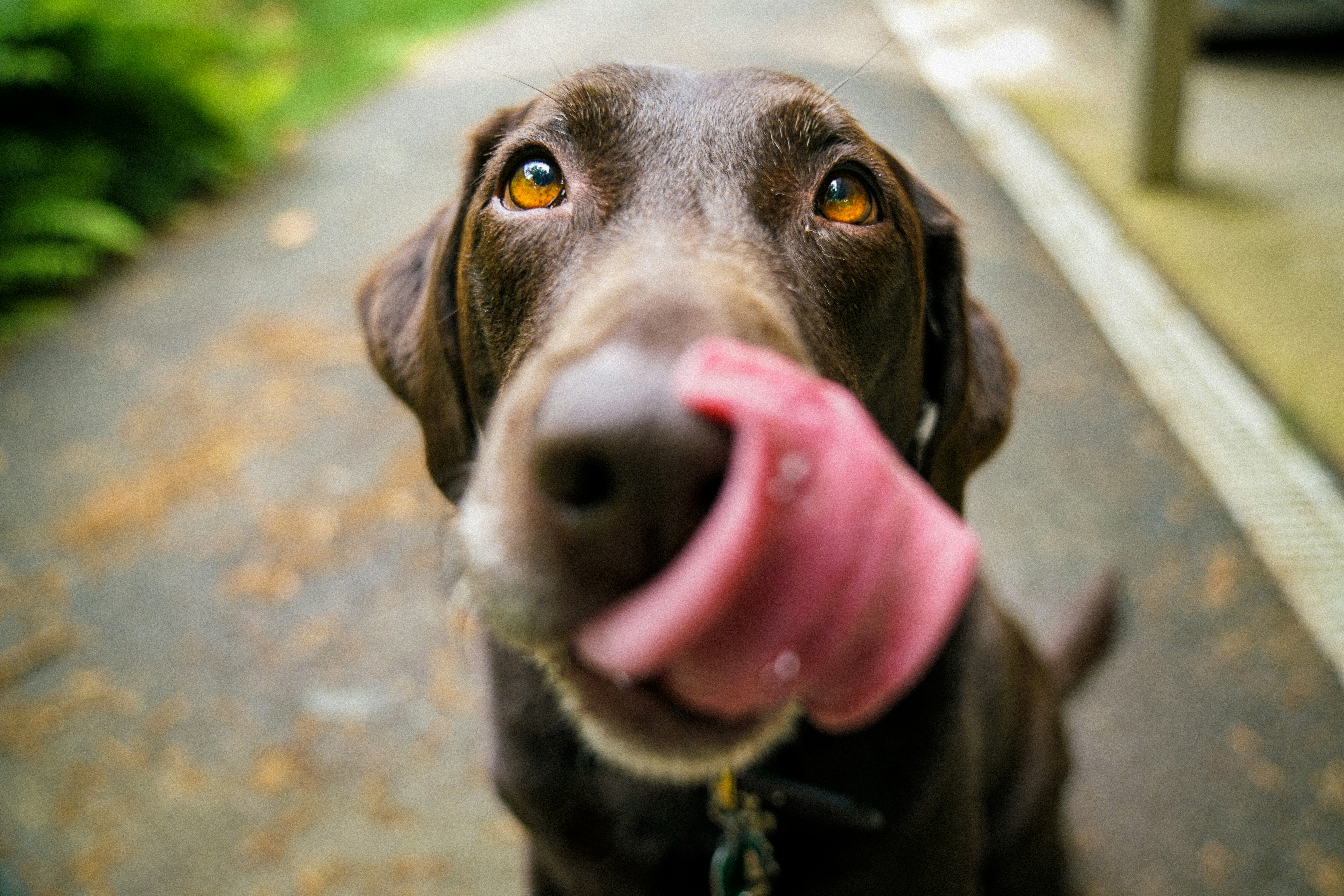
Dogs with nausea, bloating, constipation, food intolerance, or mild gastrointestinal upset may hesitate before eating. They may want food but associate meals with discomfort that follows. Digestive issues can also appear alongside lip licking, grass eating, gulping, vomiting, or loose stool.
Support your dog by:
- Keeping feeding times consistent
- Avoiding sudden diet changes
- Offering fresh water at all times
- Monitoring stool quality and energy levels
Persistent digestive symptoms always deserve veterinary guidance, especially if appetite loss lasts more than a day.
Emotional Feeding Confidence Matters Too

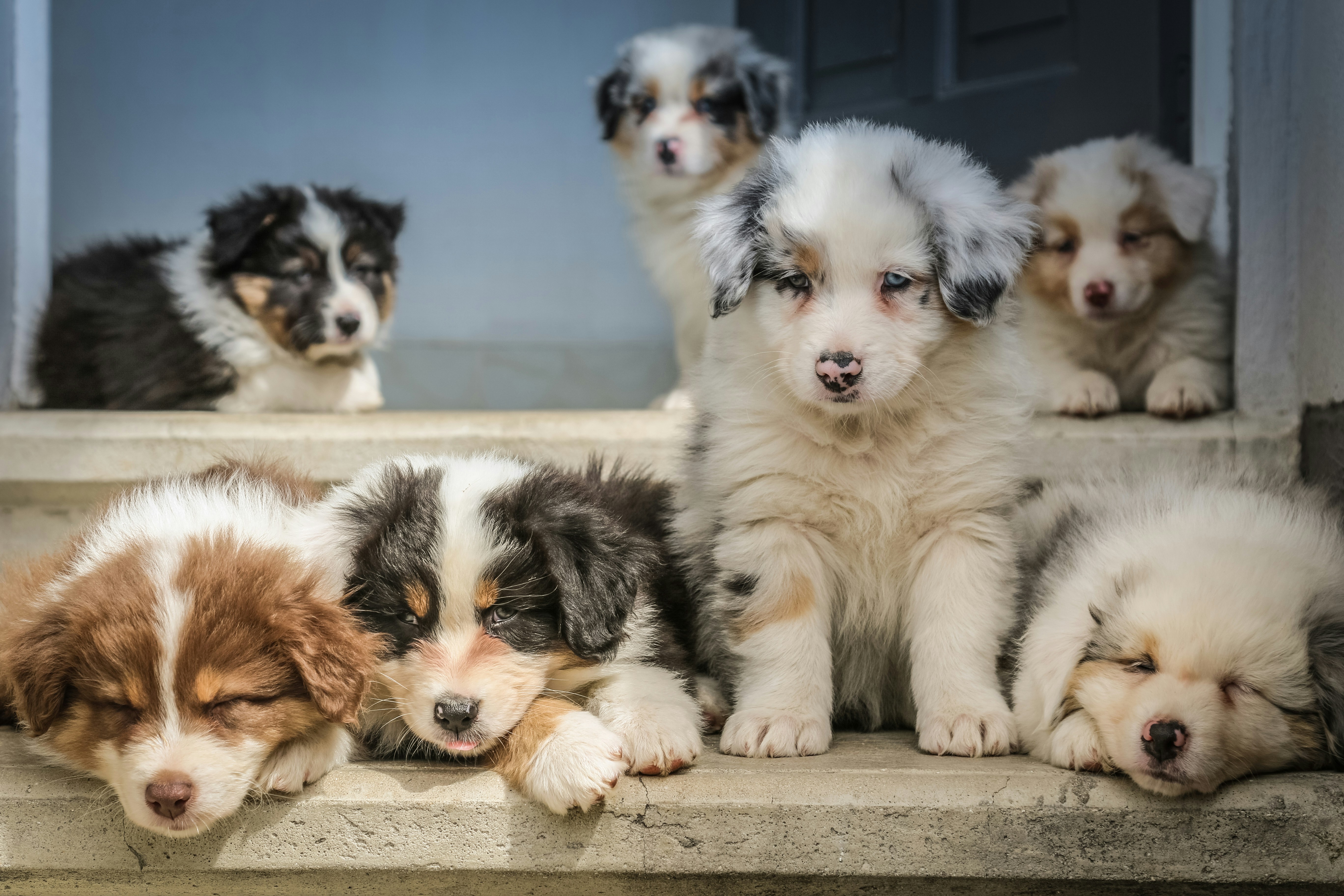
Some dogs hesitate at meals because of environment and emotion. A noisy room, a new pet, recent schedule changes, or past competition around food can lower feeding confidence. Rescue dogs and sensitive puppies may be especially affected.
Ways to build positive mealtime habits
- Feed in a quiet, low-traffic area.
- Use the same bowl and location each day.
- Avoid hovering or pressuring your dog to eat.
- Reward calm approaches to the bowl.
Steady routines help dogs feel secure, which can improve both appetite and overall behavior.
When to Call Your Veterinarian

Contact your veterinarian promptly if mealtime hesitation comes with weight loss, vomiting, diarrhea, mouth swelling, lethargy, or sudden refusal of all food. These signs may indicate a more serious medical condition. Early action helps protect your dog’s health and keeps small issues from becoming larger ones.
Help Your Dog Feel Better and Stay Active


Mealtime habits are important, but so is daily movement. Regular physical activity supports digestion, maintains a healthy weight, reduces stress, and helps you notice subtle changes in energy that may accompany pain or illness. For dog parents who want better day-to-day health visibility, Queva Pets offers a smart tracking solution designed to support active care.
- Activity tracking: walk, run, light, intense
- GPS tracking
- Health score insights
Explore the Queva Pets smart dog tracking subscription to stay informed about your dog’s routine, activity, and wellness trends.