Zoomies After Dark: What Your Dog’s Nighttime Energy Bursts Reveal About Sleep Debt, Cortisol Spikes, and Emotional Decompression
If your dog suddenly sprints through the hallway, spins in circles, or races from couch to doorway at bedtime, you are not alone. These nighttime “zoomies” can look hilarious, but they may also offer useful clues about your dog’s daily routine, stress load, and sleep quality. For many dogs, bursts of evening energy are normal. However, when they happen often, intensely, or at the same time every night, they can reflect unmet physical needs, overstimulation, or a need to decompress after a busy day.
Understanding why your dog gets the zoomies after dark can help you support better rest, calmer behavior, and healthier emotional balance. Below, we break down what these sudden energy surges may reveal and how to respond in a way that supports dog health and behavior.
Why dogs get zoomies at night


Nighttime zoomies are often linked to a mix of biology, routine, and environment. Dogs build up energy throughout the day, and if they have not had enough structured movement or mental engagement, that energy can burst out all at once.
- Delayed exercise: A dog that missed a walk or active play session may release pent-up energy before settling.
- Evening stimulation: Family members coming home, louder household activity, or exciting interactions can trigger a sudden burst.
- Breed tendencies: Young dogs and high-energy breeds may be especially likely to dash around at night.
- Habit loops: If zoomies happen before bed every night, your dog may start to expect that routine.
In many cases, zoomies are harmless. The key is looking at frequency, intensity, and what happens before and after the behavior.
Sleep debt and overtired behavior in dogs

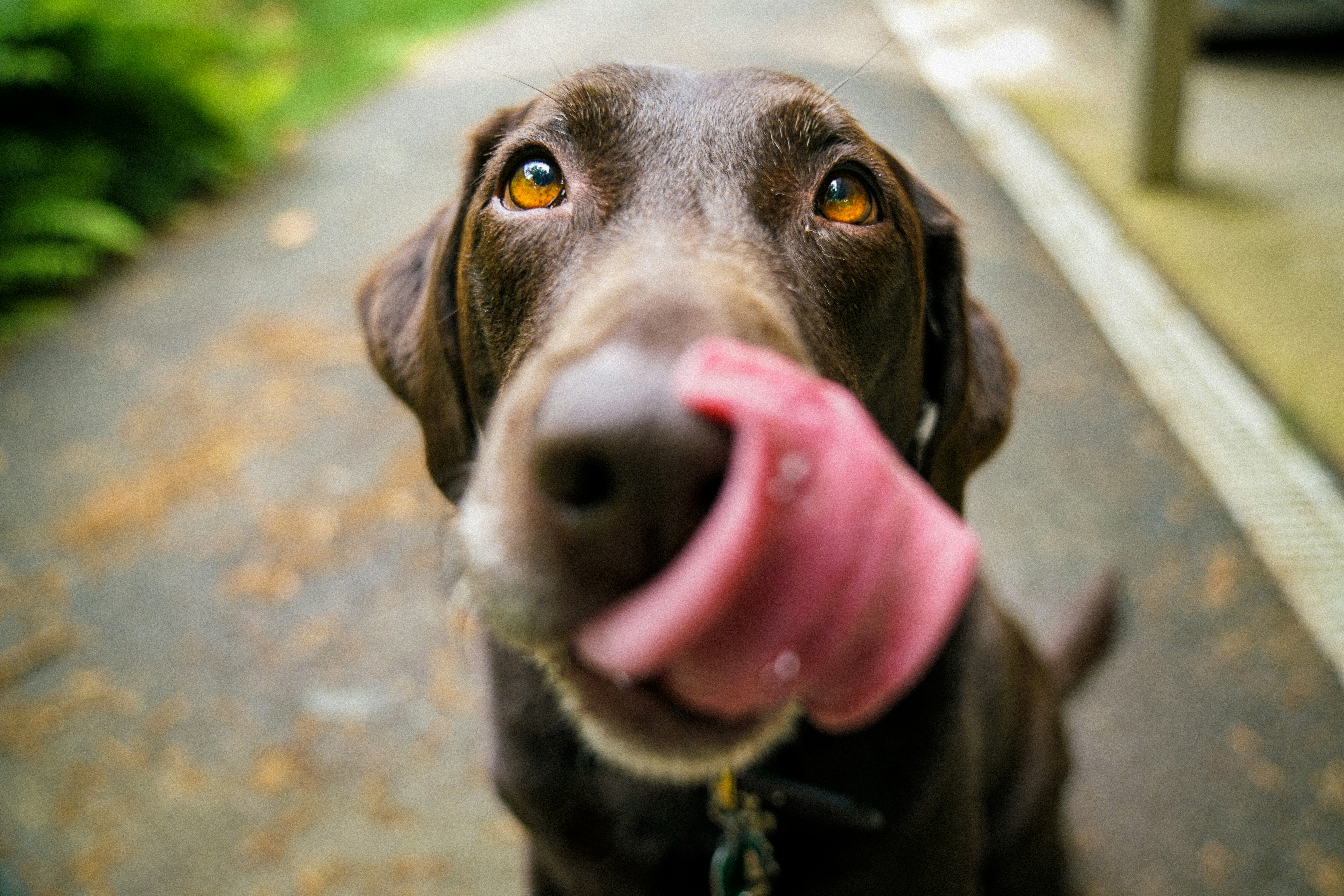
Just like people, dogs can act wired when they are actually overtired. Sleep debt happens when a dog does not get enough quality rest over time. Puppies, senior dogs, and active adult dogs all need consistent downtime.
Signs that nighttime zoomies may be tied to poor rest include:
- Difficulty settling after activity
- More barking, mouthing, or pacing in the evening
- Napping lightly instead of deeply during the day
- Becoming hyper after busy outings or guests visiting
If your dog seems unable to switch off, it may help to create a quieter evening wind-down routine with dimmer lights, reduced noise, and fewer stimulating games right before bed.
How cortisol spikes can affect evening energy


Cortisol is a stress-related hormone that helps the body respond to excitement, change, and pressure. A temporary rise is normal, but repeated overstimulation can make some dogs appear restless or hyper at night.
Common triggers that may raise arousal
- Long periods alone followed by intense attention
- Busy dog daycare days without enough recovery time
- Chaotic evenings with visitors, loud sounds, or rough play
- Inconsistent feeding, walking, or bedtime schedules
A dog with elevated arousal may not be “bad” or disobedient. Instead, the body may still be in go-mode. Calm sniff walks, food puzzles, and predictable routines can help lower evening intensity.
Emotional decompression after a full day


Some nighttime zoomies are a form of emotional release. Dogs process stimulation through movement, sniffing, chewing, and play. After a day filled with training, noise, strangers, or time alone, a quick burst of motion may be your dog’s way of resetting.
Healthy decompression options include:
- A short sniff-focused walk after dinner
- A lick mat or safe chew in a quiet space
- Five minutes of gentle training with easy cues
- Soft tug or toy play followed by a calm settle period
These activities can help your dog release tension in a controlled way rather than bouncing off furniture right before sleep.
When to help your dog and what to do next


If your dog’s nighttime energy bursts are becoming harder to manage, focus on patterns. Track when zoomies happen, how much exercise your dog gets, and whether certain events make evenings harder. Then build a steadier routine.
- Provide daily physical exercise matched to your dog’s age and breed
- Add mental enrichment such as sniffing games and food puzzles
- Keep feeding, walks, and bedtime consistent
- Use calm transitions before sleep instead of high-intensity play
- Speak with your veterinarian if the behavior suddenly changes or comes with pain, panting, or distress
Nighttime zoomies are often a message, not a mystery. By paying attention to sleep, stress, and decompression needs, you can help your dog feel more balanced, settled, and ready for quality rest.