Paw Pinches & Rug Refusals: What Your Dog’s Reluctance to Lie Down Reveals About Nail Overgrowth, Pressure Sensitivity, and Daily Recovery Comfort
If your dog suddenly hesitates before lying down, avoids hard floors, or circles excessively before resting, it may be more than a quirky habit. Dogs often communicate discomfort through small changes in posture and routine. One overlooked cause is nail overgrowth, which can affect paw placement, create pressure sensitivity, and make everyday recovery less comfortable. By paying attention to how your dog stands, walks, and settles, you can catch early signs of physical strain and support better long-term health.
Why lying down can become uncomfortable

For a healthy dog, lying down should be easy and relaxed. When it becomes slow, awkward, or reluctant, physical discomfort is often involved. Long nails may force the toes upward when standing on flat surfaces, changing the way weight moves through the paw, leg, and shoulder. Over time, that altered posture can make the simple act of lowering the body feel unpleasant.
Watch for these common signs:
- Pausing before settling onto a bed or rug
- Avoiding tile, wood, or other firm surfaces
- Choosing soft spots more often than usual
- Shifting weight frequently while standing
- Licking paws after walks or play sessions

How overgrown nails affect movement and posture

Overgrown dog nails do more than make a clicking sound on the floor. They can change traction, reduce stability, and place extra stress on joints. If nails touch the ground constantly, your dog may shorten strides or adjust stance to avoid pressure. That compensation can contribute to soreness, especially in active dogs and older dogs.
What to check at home
- Whether the nails tap the floor when your dog stands still
- Whether the front paws appear splayed
- Whether your dog slips more during turns
- Whether rest after walks seems less comfortable
Regular nail care supports safer movement and helps maintain natural alignment. If you notice limping, swelling, or persistent pain, contact your veterinarian for guidance.
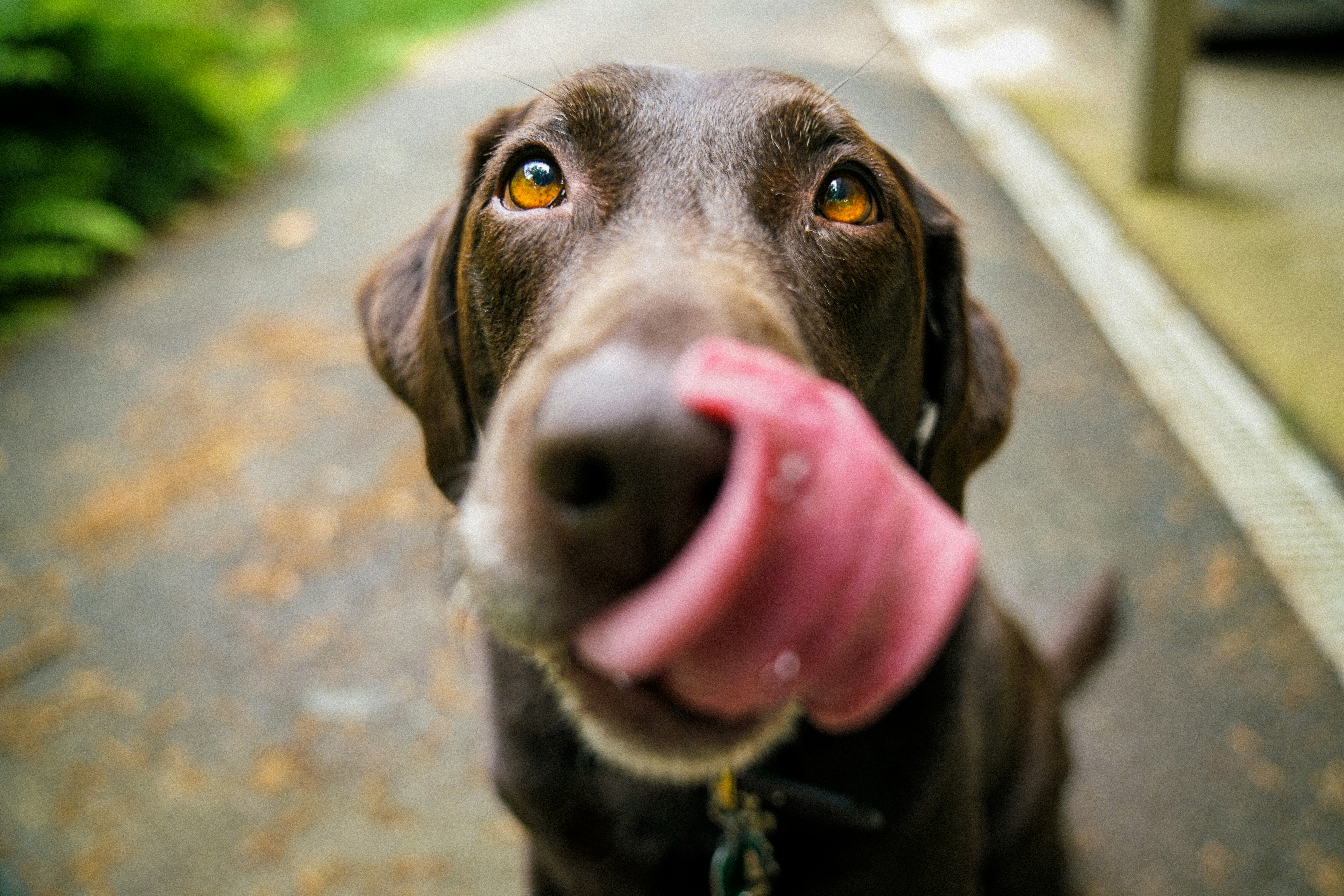
Pressure sensitivity and recovery comfort at home

Daily recovery matters for dogs of every age. After walks, training, or play, your dog needs a comfortable place to rest and reset. If the paws are tender or the body is compensating for poor foot placement, even a familiar resting area may suddenly feel less inviting. Supportive bedding, trimmed nails, and good traction can all improve comfort.
To help your dog recover well each day:
- Keep nails at a healthy length.
- Provide a cushioned resting area in a quiet space.
- Use rugs or runners to reduce slipping on smooth floors.
- Monitor changes in how your dog sits, lies down, and rises.
You can also learn more about Queva Pets dog care support for routines that encourage safer, more comfortable movement.
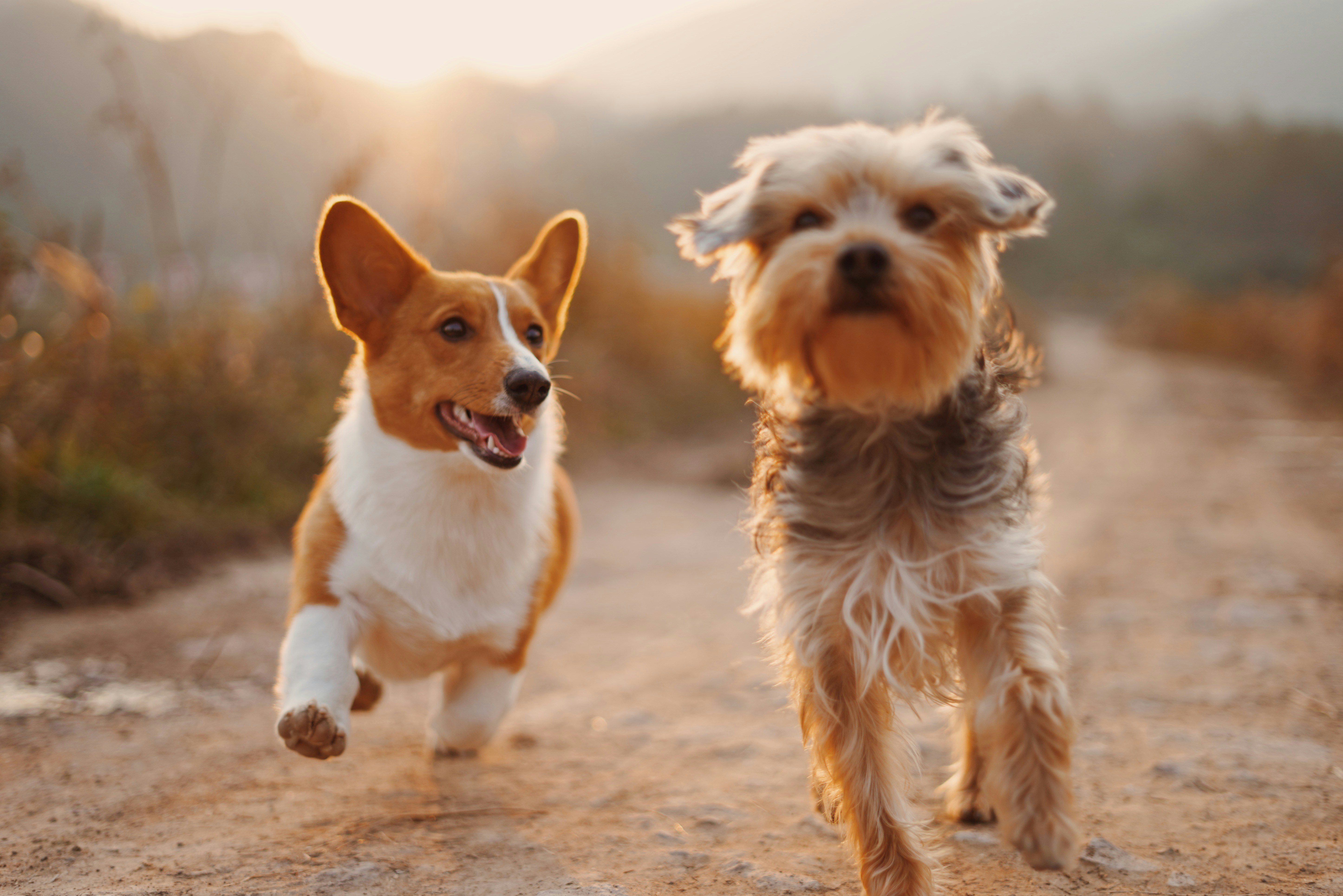
Training gentle handling for paws and rest routines

Some dogs resist paw care because they associate it with stress. Gentle training can make nail checks and rest-time handling easier. Use rewards, short sessions, and calm touch so your dog builds positive associations. This is especially useful for puppies, senior dogs, and dogs recovering from busy activity days.
- Touch one paw briefly, then reward
- Introduce clippers or a grinder gradually
- Practice on calm days, not just when nails are overdue
- Reward your dog for settling comfortably on a bed
Consistent routines help dogs feel secure and can make health monitoring much easier for pet parents.
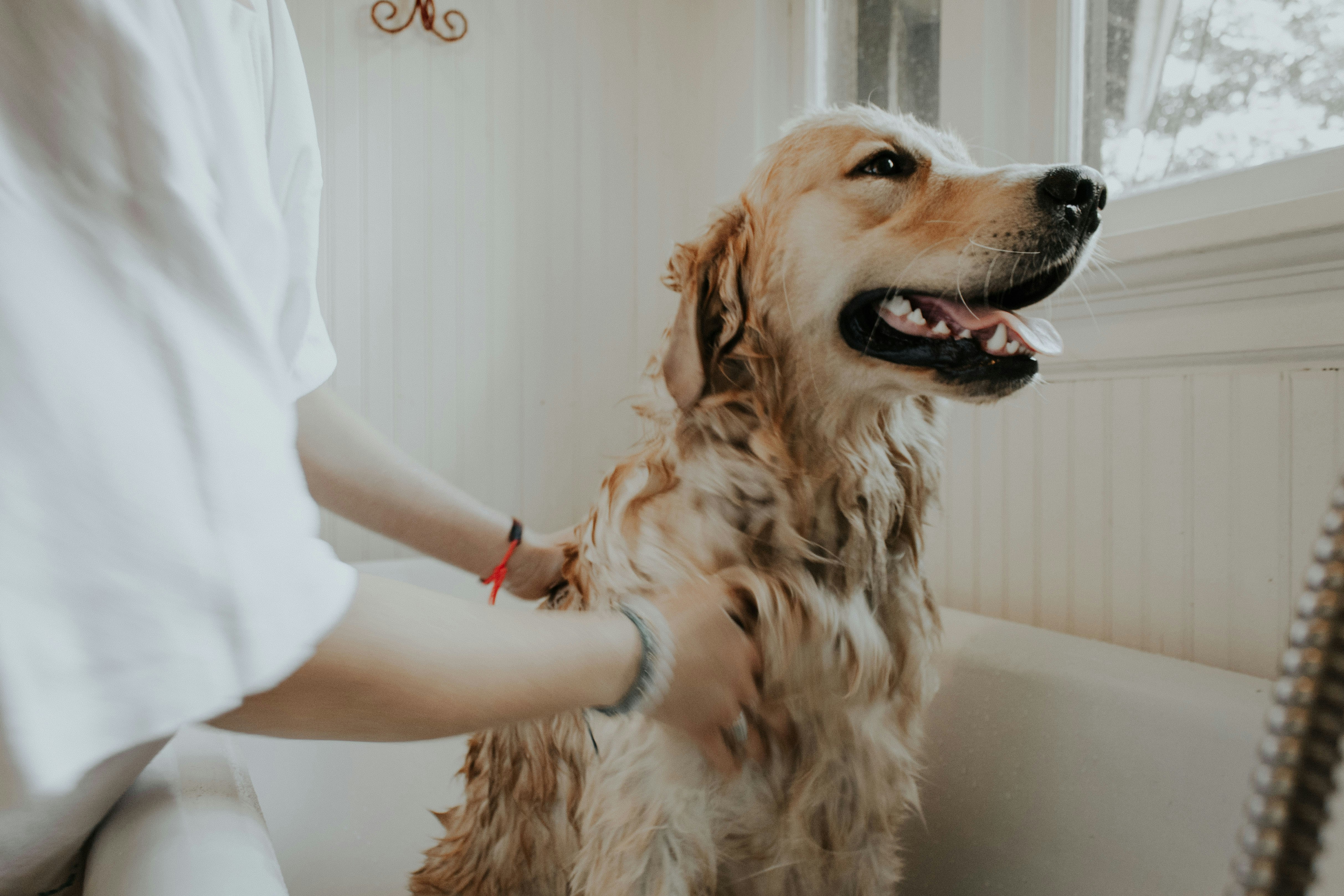
When to take action and support healthy activity

If your dog repeatedly refuses to lie down, struggles to rise, or shows ongoing sensitivity after nail trimming and home adjustments, it is time to investigate further. Early action can prevent minor issues from affecting behavior, mobility, and overall quality of life. Keep notes on your dog’s activity, rest habits, and movement patterns so changes are easier to spot.
Physical activity is essential for maintaining healthy joints, muscle tone, and emotional balance in dogs. Just as important, tracking daily movement can help you notice when recovery comfort changes.
Queva Pets’ smart tracking product helps dog owners stay informed with:
- Activity tracking (walk, run, light, intense)
- GPS tracking
- Health score insights
Explore the Queva Pets smart dog tracking subscription for activity and health monitoring to support a healthier daily routine.